
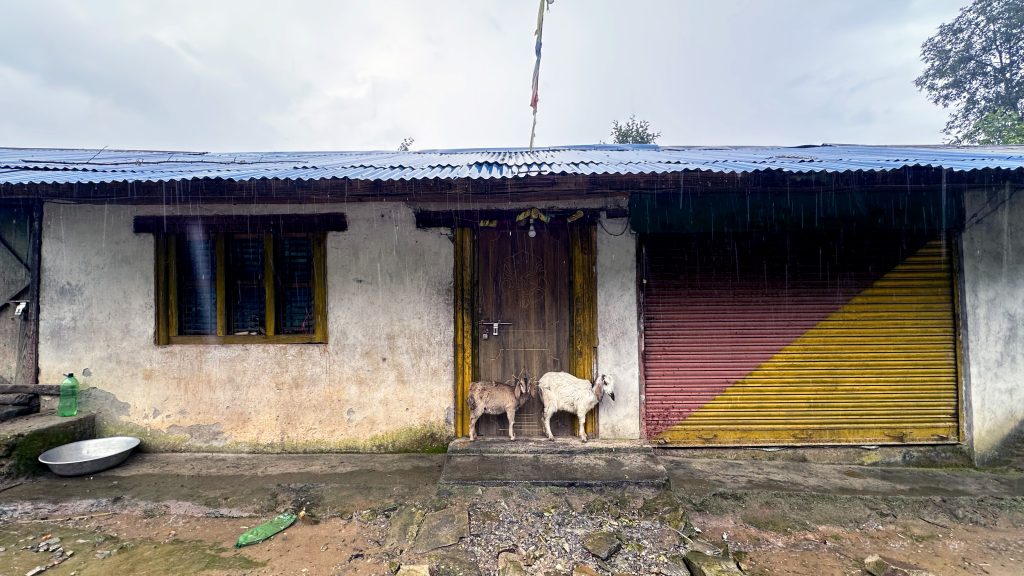
O MY GOAT!
Over the past few weeks, we have been on the road again.
Not on one particular trek or expedition, and not following a fixed itinerary. We simply wanted to get out, travel through different parts of Nepal, meet people, see how places were doing and experience the country as it is right now.
Our journey took us from Begnas to Bardia, from Helambu to Bhaktapur , four very different places, each with its own character and its own story.
And that is perhaps the most important thing we came away with: there is no single way to describe Nepal.
Begnas
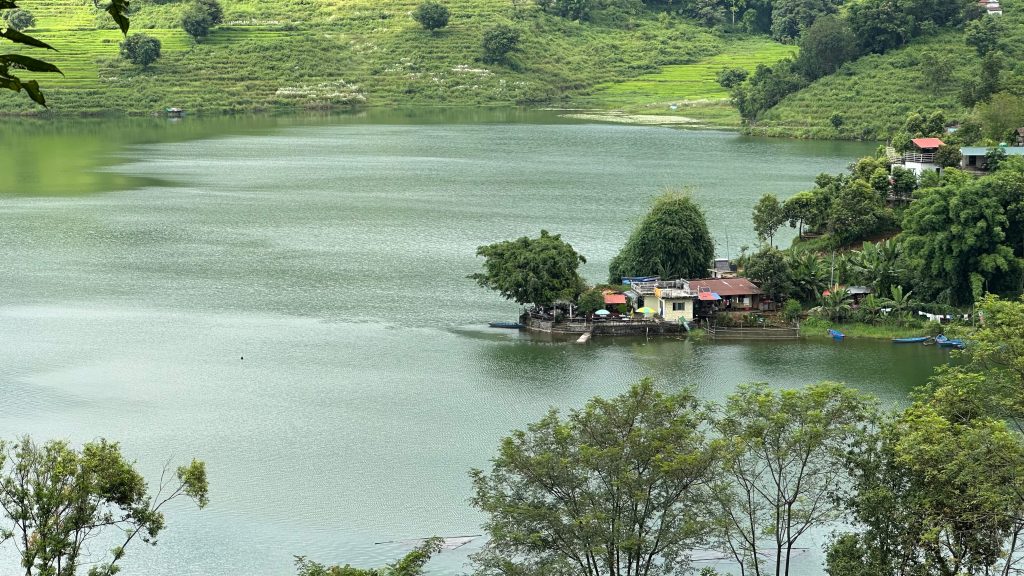
Lake life, A beautiful view of Majhikuna from Begnas lake resort.
Begnas has always had a quieter rhythm.
Away from the bustle of Pokhara, life around the lake feels connected to the landscape. The hills rise around the water, farms continue their seasonal work and local businesses carry on welcoming visitors.
We spent time around the lake, talking to people and simply observing everyday life.
For a tourism operator, these moments matter.
A destination isn’t just its accommodation, its viewpoint or its activities. It is the people who live there and the small businesses that depend on visitors choosing to stop, stay and spend a little time in their community.
Sometimes, the best update from a destination is simply seeing that life is continuing.
Bardia
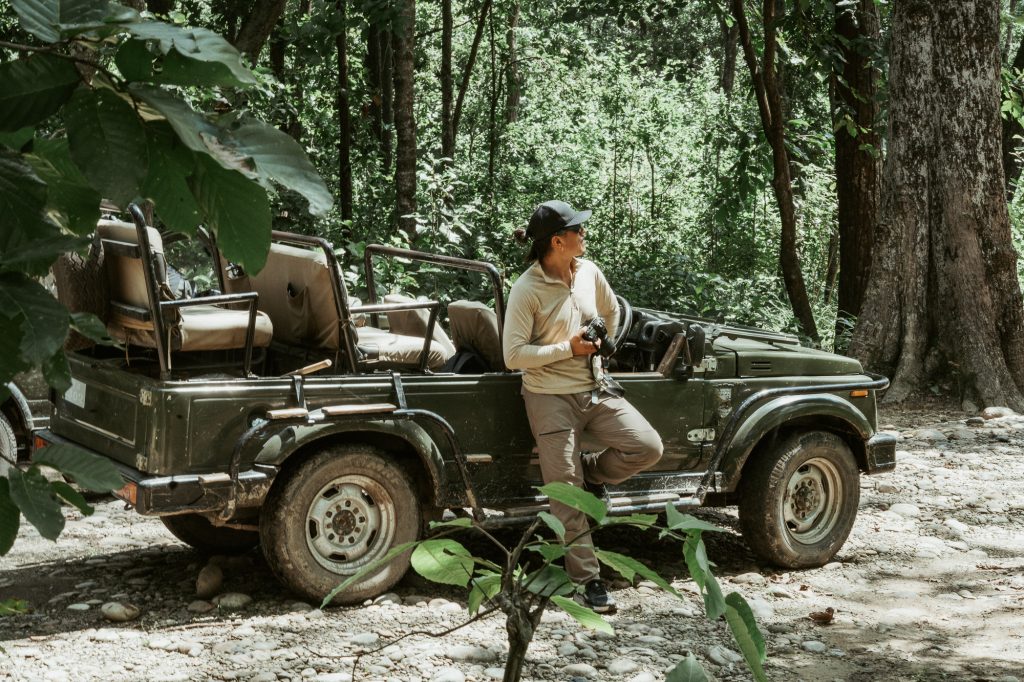
Guarding the Jeep when everyone goes for a tiger sighting lol
Then we headed west, into a completely different Nepal.
Bardia.
No high passes. No Himalayan peaks. No need to climb thousands of metres to find adventure.
Instead, there were forests, grasslands, rivers, rice fields and wildlife.
We spent time exploring the area and talking to young local entrepreneurs who are building businesses around tourism and the landscape they call home.
There is something particularly interesting about Bardia right now. It feels like a destination with plenty of room to grow, but also one where the people shaping its future have a strong connection to the place.
For a company that has spent much of its life in the mountains, Bardia was another reminder that adventure has no altitude.
Sometimes adventure is walking through a jungle.
Sometimes it is watching wildlife.
Sometimes it is sitting in a rice field as the wind moves through it.
And sometimes it is simply seeing a part of Nepal that you haven’t experienced before.
Helambu
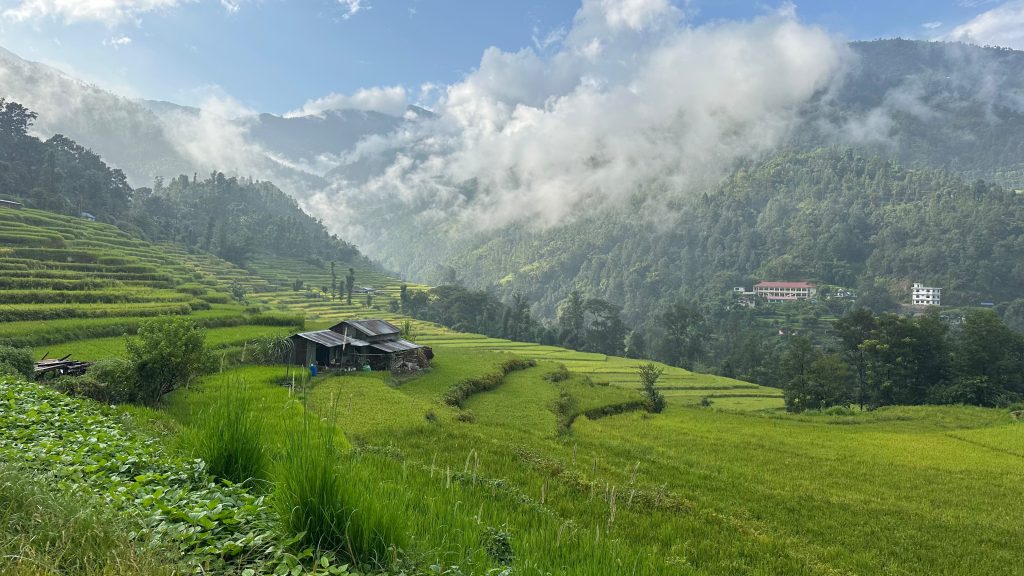
Beautiful Rice field on the way to Kutumsang, Helambu
From the lowlands, we headed back towards the hills.
Helambu is close enough to Kathmandu to be accessible, but once you are on the trails, it feels like another world.
The landscape changes quickly. Villages give way to forests, ridgelines open up and the familiar rhythm of walking takes over.
For us, travelling through Helambu was also a reminder of why local knowledge matters.
Conditions in the mountains can change quickly. A route that looks fine on a map may be different on the ground. Weather, road conditions, trail conditions and local information all matter when deciding where and how to travel.
That is something we have always believed in at LaMa Walks: responsible travel starts with knowing the ground.
Bhaktapur
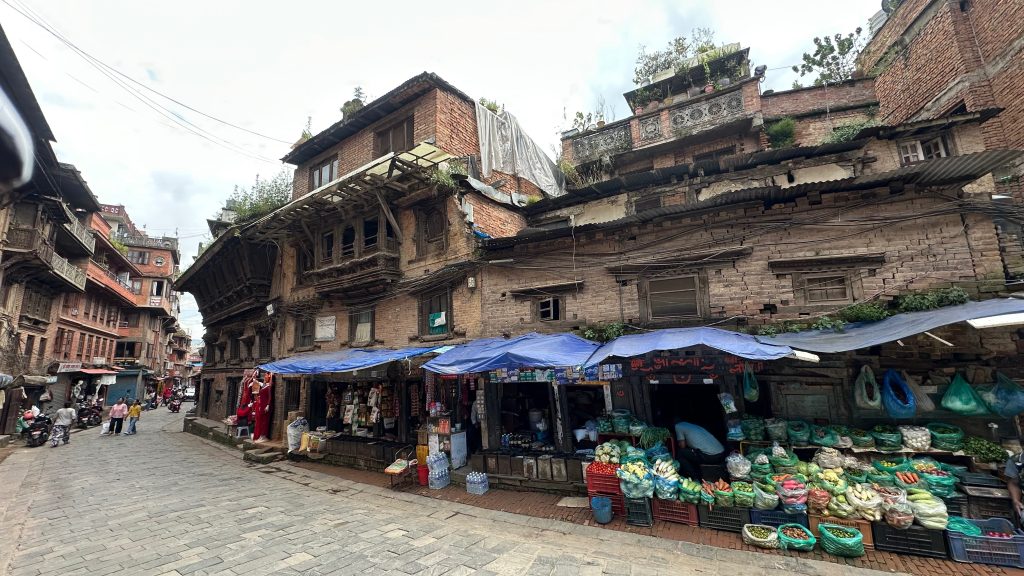
Old Market inside Bhaktapur Durbar Square
Our final stop brought us back closer to home.
Bhaktapur needs little introduction, but even familiar places can look different when you slow down.
The old squares, temples, courtyards, workshops, food stalls and narrow streets continue to be part of everyday life. Tourism exists alongside the community rather than replacing it.
That is what makes places like Bhaktapur so interesting.
You don’t have to go far from Kathmandu to experience a completely different side of Nepal.
A Country Bigger Than a Headline
Four destinations.
Four very different experiences.
A lakeside community. A jungle landscape. Mountain trails. A living heritage city.
That is Nepal.
For us, travelling From the Field is not about pretending that challenges don’t exist. They do. Conditions change, communities are affected and some places need time and support to recover.
It is about seeing the bigger picture.
Nepal cannot be understood from one headline, one photograph or one destination.
You have to travel.
You have to talk to people.
You have to see what is happening for yourself.
And sometimes, you simply have to get out there.
From the Field, this is Nepal right now.


